Straight Answers for Horse Owners
Horse Care Guides
Practical information about movement changes, barn-call preparation, veterinary evaluation, and complementary equine chiropractic care.
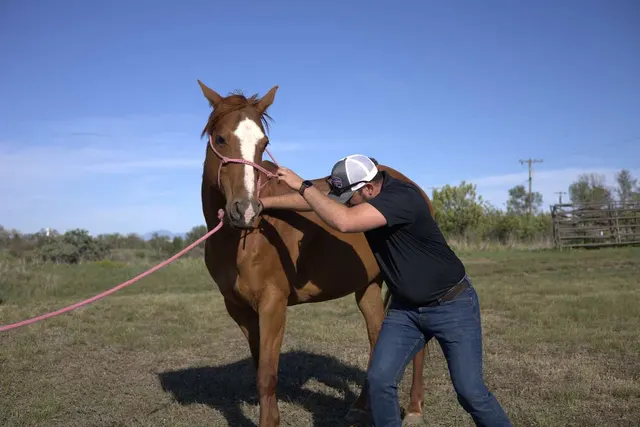
Barn Call Guide
What Happens at a Barn Call?
What to expect at an equine chiropractic barn call: health history, movement observation, assessment, and coordination with your veterinarian.
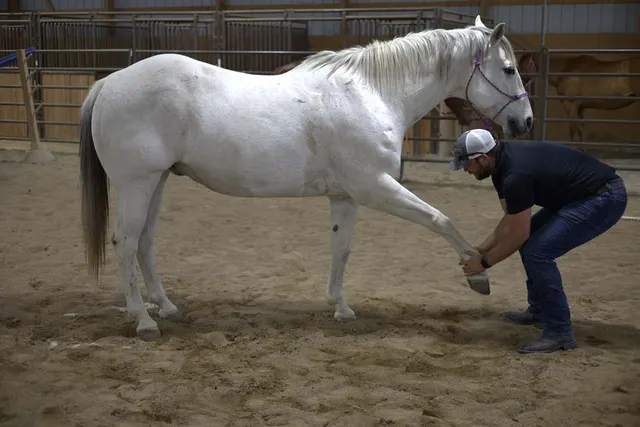
Owner Decision Guide
Chiropractic Visit vs. Lameness Exam
Understand when a horse needs a veterinary lameness examination, what chiropractic assessment can address, and why the two roles should work together.
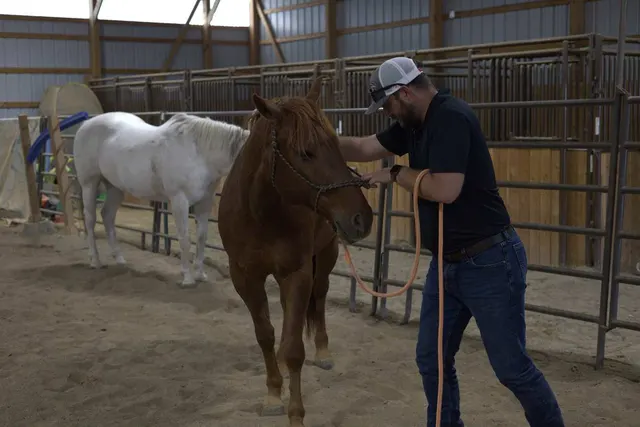
Preparation Checklist
Prepare for a Barn Call
Use this practical checklist to prepare your horse, history, handler, and barn area for a safe and useful equine chiropractic visit.
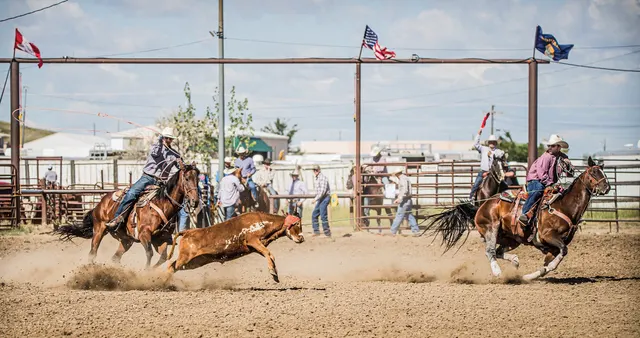
Movement and Behavior
17 Signs Worth a Closer Look
Bucking, stiffness, dropped leads, and uneven movement can have many causes. Learn what to notice and when veterinary care comes first.
How to Use These Guides
These pages are general education for horse owners. They cannot diagnose a horse or replace an examination by a licensed veterinarian. When a horse has acute lameness, trauma, marked pain, illness, or neurologic signs, contact a veterinarian promptly.
Short Go provides mobile complementary care in DFW, North Texas, and Montana in season. Texas appointments are subject to applicable veterinary requirements.
Need Help Choosing the Next Step?
Send a barn-call request with the horse’s location and what you are noticing. We will explain whether veterinary coordination is needed before scheduling.
Request a Barn CallFind a Barn Call Near You
Explore mobile equine chiropractic in Weatherford, Fort Worth, Dallas, McKinney, and other North Texas service areas, or see seasonal Montana routes.
Read about our services and visit planning or Dr. Leo's training and approach.