Preparation Checklist
How to Prepare Your Horse for a Chiropractic Visit
From Short Go Equine Chiropractic · Published September 4, 2026 · Updated September 7, 2026
You do not need a spotless show barn or a perfectly groomed horse. A little preparation, however, makes the visit safer and gives the practitioner better information.
Build a Short, Useful History
Write down when the change began, whether it is constant or intermittent, and what makes it better or worse. Include the horse’s discipline, workload, recent hauling, shoeing date, falls or slips, prior injuries, diagnoses, and current medications or supplements.
If your veterinarian has already examined the horse, have the relevant findings or instructions available. Exact dates and observations are more useful than a guess at the diagnosis.
Choose a Safe Area
Plan for a reasonably quiet place with safe footing, good light, and enough room for the horse to stand square. When movement observation is appropriate, access to a level, firm, non-slip path is useful.
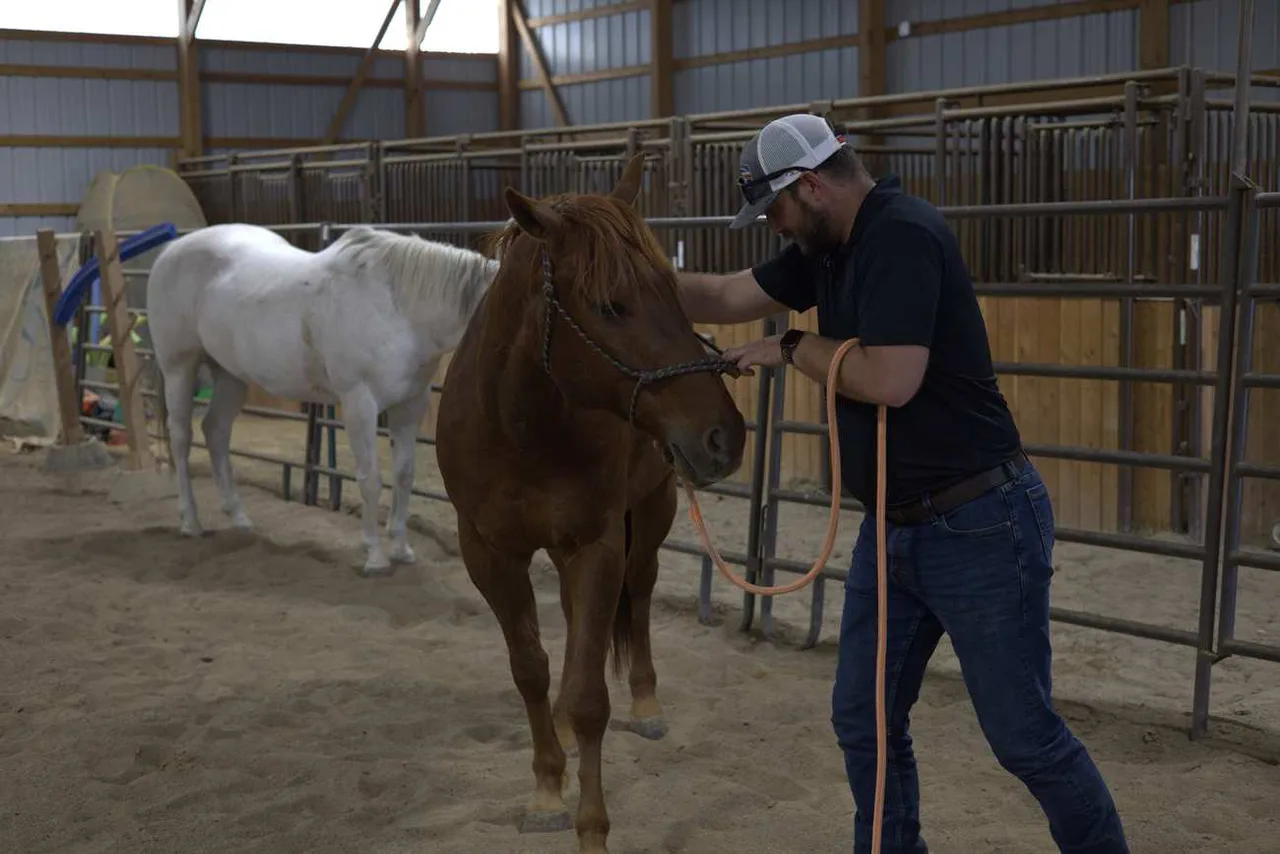
Have a sound halter and lead ready, along with an adult handler who knows the horse. Move loose dogs, equipment, feed carts, and other distractions out of the immediate work area.
Keep the Horse Comfortable and Honest
A clean, dry horse is easier to assess by hand, but ordinary barn-clean is fine. Avoid a strenuous workout immediately before the appointment unless your veterinarian or practitioner asked to see the horse after work.
Do not give pain-relieving or sedating medication solely to change what the practitioner sees. Continue prescribed medication as directed and tell the practitioner what the horse received and when. Ask your veterinarian before changing any medication.
Know When to Postpone and Call the Vet
If the horse develops acute lameness, marked pain, fever, swelling, a wound, colic signs, breathing difficulty, loss of coordination, weakness, or another urgent change, contact a veterinarian instead of waiting for a routine complementary-care visit.
A recent fall or accident should also be discussed with a veterinarian when trauma or injury is possible.
Plan the Follow-Through
Leave time to hear the findings and ask questions. Confirm any activity guidance, what changes should trigger a veterinary call, and whether follow-up is actually indicated for this horse.
Keep a short note after the visit about movement, behavior, work, and any veterinary follow-up. Specific observations make future conversations more useful.
Ten-Minute Barn-Call Checklist
- Halter, lead, and experienced handler ready
- Quiet, well-lit area with safe footing
- Level path available for movement observation when appropriate
- Timeline of the concern and recent workload
- Medication, supplement, shoeing, and injury information
- Veterinarian and farrier contact details
- Relevant veterinary records or instructions
- Two or three questions you want answered
Sources and further reading
This owner guide provides general education, not veterinary diagnosis or treatment advice.
Continue Reading
Owner Guide
What Happens at a Barn Call?
What to expect at an equine chiropractic barn call: health history, movement observation, assessment, and coordination with your veterinarian.
Owner Guide
Chiropractic Visit vs. Lameness Exam
Understand when a horse needs a veterinary lameness examination, what chiropractic assessment can address, and why the two roles should work together.
Owner Guide
17 Signs Worth a Closer Look
Movement and behavior changes that may justify veterinary or joint-motion assessment.
Have a Question About Your Horse?
Tell us what you are seeing and where your horse is located. We will explain the appropriate next step before confirming a visit.
Find a Barn Call Near You
Explore mobile equine chiropractic in Weatherford, Fort Worth, Dallas, McKinney, and other North Texas service areas, or see seasonal Montana routes.
Read about our services and visit planning or Dr. Leo's training and approach.