Owner Decision Guide
Equine Chiropractor or Veterinary Lameness Exam?
From Short Go Equine Chiropractic · Published September 4, 2026 · Updated September 7, 2026
When a horse feels uneven, stiff, resistant, or simply ‘off,’ the first question is not which provider is better. It is which kind of evaluation the horse needs first.
Start With the Veterinarian for Lameness or Illness
A veterinarian is the professional who diagnoses disease and injury. A veterinary lameness examination may combine history, visual and hands-on examination, gait evaluation, hoof testing, flexion tests, diagnostic anesthesia, imaging, or laboratory work as the case requires.
New, worsening, or obvious lameness belongs with your veterinarian. So do heat, swelling, a wound, fever, marked pain, suspected fracture, a sudden inability to bear weight, loss of coordination, weakness, collapse, or other neurologic signs.
Where a Chiropractic Assessment Fits
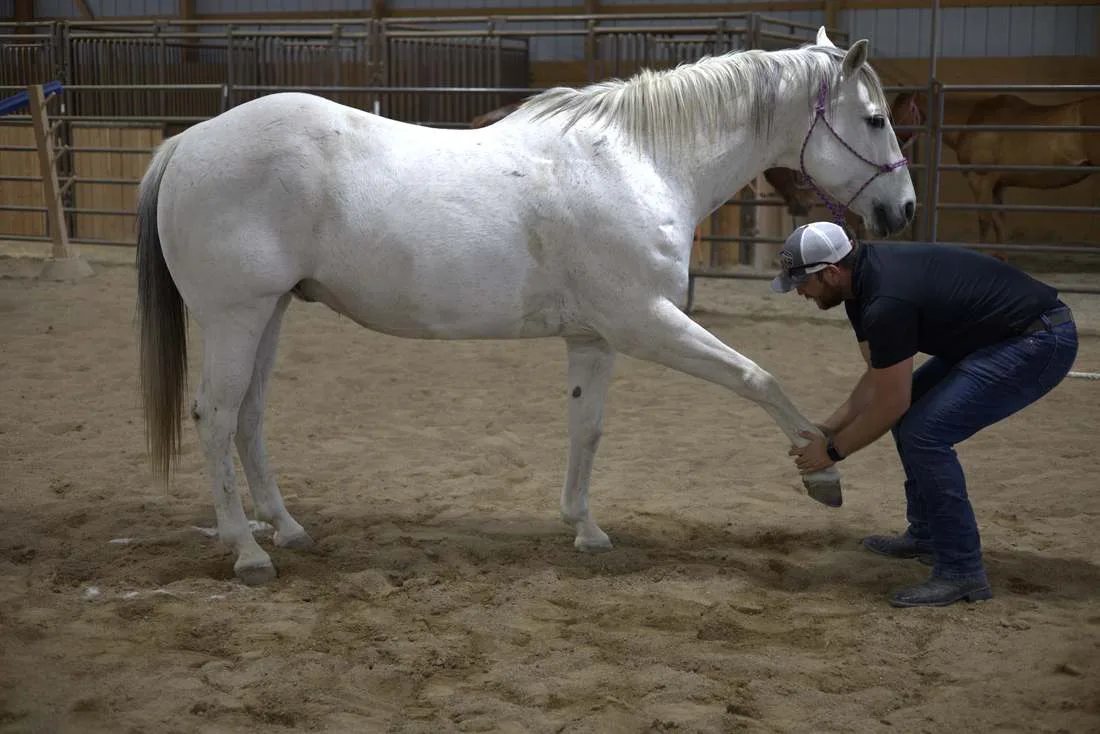
Animal chiropractic is complementary care. A chiropractic assessment focuses on history, posture, movement, palpation, and joint motion. When appropriate, a controlled adjustment may be directed to a specific joint-motion restriction.
It does not replace a veterinary diagnosis, diagnostic imaging, medication, surgery, or emergency care. If the cause of a change is unclear—or a finding falls outside the practitioner’s role—the horse should be referred back to a veterinarian.
A Simple Way to Choose
Choose a veterinary examination first when you see pain, lameness, trauma, illness, neurologic change, or rapid deterioration. Also start with the veterinarian when you need to identify the cause of a problem.
Consider a coordinated chiropractic assessment when veterinary concerns have been addressed and you want a complementary look at joint motion, posture, or movement—or when your veterinarian includes it in the horse’s broader care plan.
Why Coordination Matters in Texas
Texas regulates animal chiropractic as an alternate therapy within veterinary practice rules. Applicable veterinarian-client-patient relationship, examination, owner-acknowledgment, delegation, and supervision requirements must be followed.
Short Go confirms the current process before Texas care is provided. If you are unsure what documentation is needed, send the barn-call request and we will explain the next step without treating the request as a confirmed appointment.
Call Your Veterinarian Promptly If You See
- Sudden, severe, or worsening lameness
- Inability or reluctance to bear weight
- Heat, swelling, an open wound, or suspected fracture
- Fever, colic signs, breathing difficulty, or marked distress
- Loss of coordination, weakness, head tilt, seizure, or collapse
- A recent fall or accident followed by pain or abnormal movement
Sources and further reading
This owner guide provides general education, not veterinary diagnosis or treatment advice.
Continue Reading
Owner Guide
What Happens at a Barn Call?
What to expect at an equine chiropractic barn call: health history, movement observation, assessment, and coordination with your veterinarian.
Owner Guide
Prepare for a Barn Call
Use this practical checklist to prepare your horse, history, handler, and barn area for a safe and useful equine chiropractic visit.
Owner Guide
17 Signs Worth a Closer Look
Movement and behavior changes that may justify veterinary or joint-motion assessment.
Have a Question About Your Horse?
Tell us what you are seeing and where your horse is located. We will explain the appropriate next step before confirming a visit.
Find a Barn Call Near You
Explore mobile equine chiropractic in Weatherford, Fort Worth, Dallas, McKinney, and other North Texas service areas, or see seasonal Montana routes.
Read about our services and visit planning or Dr. Leo's training and approach.